

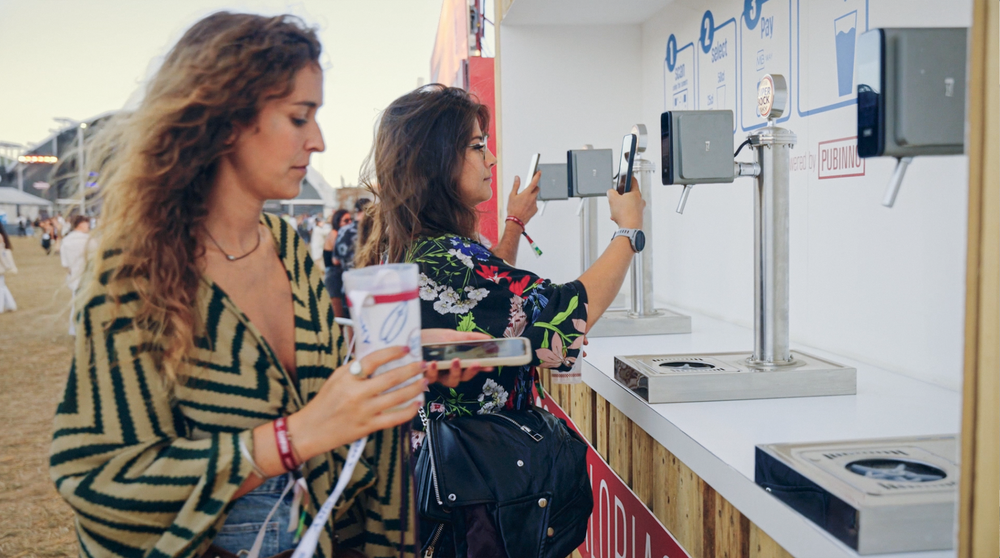
The historic cobblestones and brick facades of Dublin’s Creative Quarter—stretching across South Great George’s Street, Drury Street, Fade Street, and Exchequer Street—are undergoing an operational transformation. Facing rising wage overheads and strict energy costs, independent publicans and venue operators are adopting Dublin event venue automation technology to protect operating margins. Consequently, smart tools are now replacing slow manual processes across the city.
From automated ticket scanning to real-time inventory tracking, Dublin event venue automation technology is shifting from a luxury amenity to a vital necessity across Irish hospitality.
KEY FACTS
-
Primary Sector Driver: Elevated labor overheads and operational costs driving adoption of dynamic inventory and fast access controls.
-
Key State Supports: Fáilte Ireland’s Digital That Delivers scheme and Dublin City Council’s Night-Time Economy Strategy.
-
Regulatory Compliance: Strict oversight from the Irish Data Protection Commission (DPC) regarding guest data and GDPR compliance.
-
Core Geographic Focus: Dublin Creative Quarter (South Great George’s St, Drury St, Dame Lane) with rollouts extending to Cork and Galway.
TABLE OF CONTENTS
-
The Operational Shift in Dublin’s Creative Quarter
-
Digital Ticketing and Smart Access Control
-
Smart Bars: Automated Inventory, POS, and Beverage Precision
-
Regulatory Oversight: DPC, GDPR, and the EU AI Act
-
Impact on Irish Venue Staff and Workflows
-
Future Outlook for Venue Automation Technology
The Operational Shift in Dublin’s Creative Quarter
Dublin’s Creative Quarter represents one of the densest hospitality districts in Ireland. Because many businesses occupy multi-level Victorian buildings, operators face distinct spatial challenges. In addition, traditional paper guestlists and manual stocktakes create severe bottlenecks during peak hours.
To solve these issues, pub groups along Fade Street are turning to Dublin event venue automation technology. Furthermore, state supports like Fáilte Ireland’s Strategic Ticketing scheme encourage publicans to modernize rapidly. As a result, venues are upgrading their customer journey from booking to beverage service.
+-----------------------------------------------------------------------------------+
|                        CREATIVE QUARTER VENUE STACK                               |
+-----------------------------------------------------------------------------------+
|  [ PRE-EVENT ]       --->   [ ENTRY POINT ]      --->   [ BAR OPERATIONS ]        |
|  - Dynamic Ticketing        - Mobile NFC / QR Scan      - Cloud POS Integration   |
|  - AI Demand Forecast       - Automated Door Counters   - Flow-Meter Stock Track  |
|  - Direct Marketing         - Age Verification Tech     - Predictive Reordering   |
+-----------------------------------------------------------------------------------+
Digital Ticketing and Smart Access Control
Door delays represent lost revenue. Therefore, Creative Quarter venues are replacing traditional box office setups with cloud-based digital ticketing platforms.
Key Advantages of Access Automation
-
Throughput Speeds: Cloud scanners process 12 to 15 guest tickets per minute. As a result, pavement queuing along Drury Street drops significantly.
-
Dynamic Pricing: Promoters adjust ticket tiers based on real-time online demand and local weather patterns.
-
Anti-Touting Protections: Encrypted QR codes in mobile wallets eliminate fake tickets entirely.
-
Customer Ownership: Venues retain primary guest data, which helps them market future cultural events effectively.
Smart Bars: Automated Inventory, POS, and Beverage Precision
While digital ticketing speeds up entry, smart bar automation protects inner venue economics. In fact, unrecorded spillage historically costs venues up to 7% of gross draft sales.
| Technology System | Operational Function | Primary Business Benefit |
| Poured-Beverage Flow Meters | Real-time liquid volume tracking per tap | Eliminates draft waste and pinpoints stock variances per shift |
| Integrated Cloud POS | Direct link between ticket orders and bar transactions | Provides live profitability metrics per guest and per event |
| AI Stock Forecasting | Predictive ordering based on historic Dublin weather | Prevents keg shortages and optimizes cellar storage space |
| Automated Cashless Tills | NFC/Mobile payment processing at speed | Speeds up transaction times under 5 seconds per customer |
By installing flow meters linked to cloud terminals, managers compare poured volume against recorded sales instantly. Therefore, if a tap pours a drink without an active transaction, the system flags the variance to supervisors immediately.
Regulatory Oversight: DPC, GDPR, and the EU AI Act
The rollout of Dublin event venue automation technology operates under strict privacy laws. Specifically, the Data Protection Commission (DPC) maintains an active enforcement role regarding consumer tracking.
Compliance Directives for Irish Venue Operators
-
Biometric Restrictions: Automated facial recognition is prohibited under GDPR principles without explicit opt-in consent and a formal assessment.
-
Data Minimisation: Ticketing platforms must store only essential customer data, which prevents unauthorized third-party sharing.
-
EU AI Act Framework: Venues using AI for crowd management must verify that software models comply with EU transparency standards.
Impact on Irish Venue Staff and Workflows
Far from replacing floor staff, venue automation reallocates labor toward better customer service.
-
Cellar and Stock Management: Automated tracking replaces late-night manual weigh-ins. Consequently, floor managers save 3 to 5 hours per week.
-
Bar Staff Efficiency: Fast contactless payments let bartenders focus on drink preparation rather than manual till processing.
-
Shift Allocation: Forecasting tools analyze local transport schedules and ticket sales. Thus, managers can build accurate shift rotas easily.
Future Outlook for Venue Automation Technology
As local councils expand night-time economy initiatives, the Creative Quarter serves as a practical testbed for urban hospitality systems. Looking ahead, integration between transport data and venue software will deepen.
For publicans and promoters, implementing verified Dublin event venue automation technology is no longer optional. Ultimately, it provides the foundation for running a resilient, data-driven hospitality business in modern Ireland.
Key Takeaways
-
Operational Efficiency: Automation in Dublin’s Creative Quarter cuts entrance queue times and mitigates spillage/shrinkage through precise flow tracking and integrated cloud POS.
-
State & Municipal Backing: Adoption is accelerated by Fáilte Ireland digital supports (Digital That Delivers) and Dublin City Council’s night-time economy strategy.
-
Strict Privacy Compliance: Irish operators must adhere strictly to DPC guidelines, avoiding unauthorized biometric scanning and ensuring full GDPR and EU AI Act alignment.
-
Resource Optimization: Predictive AI rota and inventory scheduling help independent venues manage labor and energy costs amidst tight margins.
FAQ Section
How does digital ticketing benefit small venue operators in Dublin?
Digital ticketing lowers administrative overhead, eliminates paper list errors, speeds up door entry, and allows venue owners to collect primary customer data directly for future event marketing.
Are Dublin venues allowed to use facial recognition for entry automation?
No. The Irish Data Protection Commission (DPC) strictly regulates biometric data under GDPR. Automated facial recognition without explicit consent and a detailed Data Protection Impact Assessment (DPIA) is prohibited.
What is Fáilte Ireland’s ‘Digital That Delivers’ programme?
Digital That Delivers is a Fáilte Ireland business support framework designed to help Irish tourism and hospitality providers adopt modern online booking, ticketing, and operational management systems.
How do smart bar systems track draught beer spillage?
Smart bar setups use inline flow meters installed on beer lines linked directly to cloud POS terminals. The system compares the volume poured through the tap against completed sales transactions, flagging unrecorded pours instantly.
How does the EU AI Act affect Irish nightlife venues using smart technology?
The EU AI Act requires venues using AI algorithms—such as predictive crowd analytics or automated shift scheduling—to maintain transparency, data security, and human oversight, ensuring algorithms do not perform biometrically intrusive tracking.
Can smart automation help reduce door queues on narrow streets like Drury Street?
Yes. Optical mobile QR and NFC scanners allow door staff to process 12 to 15 tickets per minute per scanner, reducing pavement congestion on narrow Dublin streets.
What is the cost impact of introducing smart bar automation to an existing Irish pub?
While hardware installation (flow meters, modern POS terminals) requires initial capital investment, publicans typically recover costs within 6 to 12 months by reducing stock variances, stocktaking labor, and lost sales.
How do dynamic pricing systems work for local Dublin events?
Dynamic ticketing software uses algorithms to adjust ticket price tiers automatically based on historical demand, online web traffic, local competitor schedules, and weather forecasts.
