

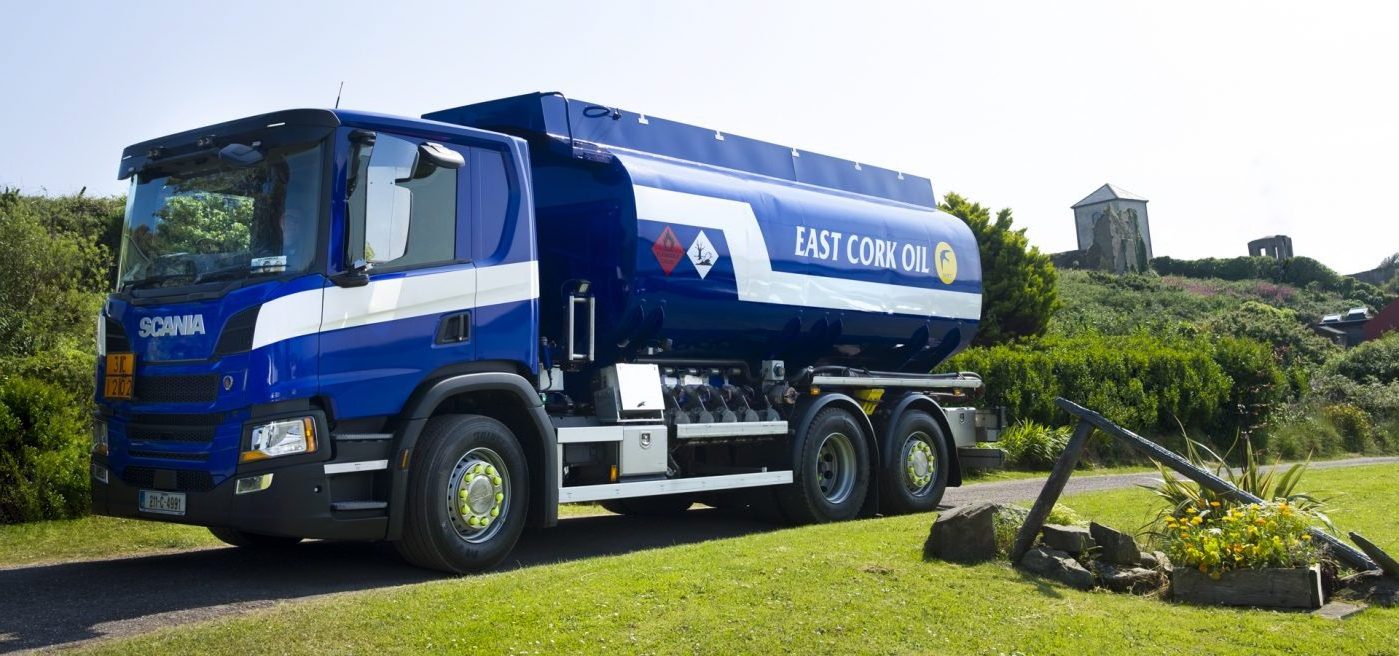
If your home is heated with home heating oil, you’ll need to learn how to maintain your oil tank and boiler to keep your system running smoothly. Heating your home is a significant expense, and understanding how your heating system works and how to look after it will ensure you get the most efficient performance for your money.
If your home is heated with home heating oil, you’ll need to learn how to maintain your oil tank and boiler to keep your system running smoothly. Heating your home is a significant expense, and understanding how your heating system works and how to look after it will ensure you get the most efficient performance for your money.
Many homes in Ireland are still heated by oil, especially in rural areas, and this means homeowners are subject to fluctuations in oil prices, which depend on the geopolitical climate and demand. This makes it even more important to do what you can to get the best performance from your home heating system and optimise your investment throughout the year. Let’s take a look at how to take care of your heating oil system.
How to Maintain Your Oil Tank and Boiler
Maintaining your oil heating system will keep it running efficiently and ensure that you do not have to deal with emergency situations or risk being left without heating. Here are some of the essentials you need to know to keep your system functioning well:
- How to Check Your Oil Tank Level Safely. Checking your oil tank level is an important way to monitor your usage and ensure that you always have enough oil. If you have a leak in your oil tank, regular checks will help you to pick this up straight away. You should familiarise yourself with your tank and the best way to check it, which may involve a measuring gauge on the outside of the tank or a floating monitoring device. Always make sure the area around your tank is clean and well ventilated before you begin, and look at the gauge in natural light to see how full your tank is. You may need to use a dipstick to check your oil level, and you must ensure that this is clean to avoid contamination. You should always follow manufacturer’s guidance carefully to ensure that you do not compromise the safety of your system. As a general rule, you should order your next oil delivery when your tank is around a quarter full, to ensure that you do not run out of oil before it arrives.
- How to Prepare Your Oil Tank for Winter. As you approach the winter, you can take some simple steps to ensure that your tank is prepared for the colder weather and this includes checking your tank for any cracks, rust or signs of damage. It is a good idea to clear any fallen leaves or debris from around your tank, as these can harbour moisture and encourage corrosion, and you should check that your oil supply line and filter are clean and in good condition. You should ensure that your tank is lagged and insulated correctly so that it is protected from the coldest weather, and that you have ordered your heating oil in good time to be prepared for a temperature drop. Setting yourself up in advance of the cold season will help you to avoid expensive repairs and emergency call out fees, and the best way to do this is to book an annual boiler service in the late summer or early autumn. This is a good chance to identify any faults and have these fixed before you need your heating on a daily basis.
- How to Spot Water Contamination in Your Oil Tank. If your oil tank is contaminated with water, this can cause significant damage to your heating system and boiler if it is not addressed immediately. Water often enters oil tanks through condensation, when the warm air inside the tank cools on the metal surfaces of the tank. Here, water droplets form and these can drip down onto your oil, sinking to the bottom of the tank because water weighs more than oil. Water can also get into your tank through cracks or badly sealed seams. You may realise that your oil has been contaminated if you notice a dark, sludgy deposit in the bottom of your tank, or if your boiler begins to cut out unexpectedly or becomes less efficient. You can check for water contamination using a dipstick and water-finding paste, which will change colour if water is present in your tank. You may be able to treat minor contamination with a specialist treatment, but a professional tank clean will be the only way to clear up significant water contamination. You can help to reduce condensation by keeping your tank as full as possible during warmer weather, so ordering your oil early has many benefits.
- How to Bleed Your Oil Boiler. If your oil runs out, air can enter the fuel lines, and you may need to bleed your boiler to keep the system clean and efficient. To bleed your oil boiler, you will need to carefully check the instructions from your boiler manufacturer. Some modern boilers have an automatic bleed function to reset the system. If you have to bleed your system manually, allow your new oil to settle for at least an hour, then loosen the bleed screw on your fuel pump. You will need to ensure that you have the correct tools and a protective cloth or container to prevent oil leakage. When you press the restart or ignite button on your boiler, you should see air bubbles before the oil begins to flow. When it flows cleanly and no bubbles are present, you can tighten the bleed screw and start your boiler. If it does not start at this point, you should contact a professional heating engineer to ensure that you do not damage your system.
- How to Prevent Sludge Buildup in Your Oil Tank. Here at East Cork Oil, we know that sludge buildup in your oil tank is usually due to the quality of the oil you use and how long it sits in your tank. Sludge can also be caused by water, dirt, and bacterial growth, and can damage your boiler pump and compromise your heating system if it is not addressed. Keeping your tank as full as possible helps prevent sludge buildup, and you should have your oil filter replaced annually during your boiler service. You may be able to use tank treatments to keep your fuel fresh, and you may need to arrange a full tank clean if your tank is very old or has never been cleaned.
- How to Check for Oil Leaks. Oil leaks can be very damaging to your system and lead to severe consequences for the environment and your property. It is very important to ensure that your system is secure and has no leaks, and you can check this visually initially. Check around the base of your tank and inspect the legs or stand, the fittings, the valves and the oil supply line that runs to your boiler, and look out for any stains or discolouration on the ground around them. A strong kerosene smell can indicate a leak, and you might also notice a sudden drop in your fuel level. If you think you leak, turn off your oil supply valve immediately and contact your oil supplier or an oil tank specialist. You should contact your home insurer, as many cover oil leak damage, and you may need to contact your local authority, depending on the extent of the leak and the regulations in your area.
What to Do If You Run Out of Heating Oil
If you run out of heating oil, you risk being stuck without heating at the coldest time of the year, and we have a range of heating oil plans to help you manage your consumption. Occasionally, a boiler problem may cause your heating to stop working, and you may think you have run out of oil. It is important to check your oil tank level to rule this out. If, however, you run out of oil and need an emergency delivery, you can contact us to find out how we can help.
We offer an emergency delivery service for those in need, and we will do our very best to ensure that your heating system is up and running again as soon as possible. In the meantime, we advise using blankets and extra clothing, along with portable electric heaters, to keep your home and your family warm. If you have vulnerable people in your household, including children or the elderly, you may be able to obtain a priority delivery. Our expert team can help you plan your deliveries and set up a payment plan to ensure that you are not left without heating oil when you need it most. Don’t forget that if you have run out of oil, air may have entered your fuel lines, and you will probably need to bleed the system to clear it before your heating system operates efficiently again.
Quality Home Heating Oil in Ireland
At East Cork Oil, we supply home heating oil, business fuel solutions and agricultural diesel across the Southern Counties of Ireland, and we will be happy to help you find the best solutions for your home, business or farm.
Frequently Asked Questions (FAQs)
When should I order my next heating oil delivery?
As a general rule, you should order your next delivery when your oil tank is around a quarter full. This buffer ensures you won’t run out of fuel or pull bottom-tank sediment into your fuel lines while awaiting delivery.
How do I check if my heating oil tank is contaminated with water?
You can test for water by applying water-finding paste to a clean dipstick and lowering it to the bottom of the tank. The paste changes color if water is present. Signs of water contamination also include dark sludgy deposits or your boiler cutting out unexpectedly.
What should I do if air enters my oil boiler fuel lines after running out of oil?
When fuel runs completely dry, air enters the fuel lines and prevents the burner from igniting. To restore operation, allow new oil to settle for at least an hour, then open the pump bleed screw using protective cloths, press the restart button to flush out air bubbles until clean oil flows, and retighten the screw.
What steps should I take if I suspect an oil leak around my tank or lines?
If you smell strong kerosene, notice sudden drops in oil levels, or spot dark stains on the ground near your tank fittings, immediately turn off the main oil supply valve. Next, contact an oil technician, inform your home insurer, and notify your local authority if the leak poses an environmental risk.
